Accelerate U.S. AI capability development, while supporting OpenAI and Anthropic slowing risky unreleased models if their safety judgment warrants it; not acceleration regardless of risk. [1][2][3][4][5][6][7]
Editorial correction. Reassesses the scoped evidence under the locked best-fit-headline methodology; fresh source reading and omitted context refine the editorial interpretation, without asserting a personal change of position.
Source [1] · Coauthored government policy
America’s AI Action Plan: joint introduction
Attributed to: David Sacks · The White House
Published
“The United States needs to innovate faster and more comprehensively than our competitors in the development and distribution of new AI technology”
Printed page 1, Introduction, paragraph beginning America’s AI Action Plan; signatures on printed page 2. · View original source ↗
Source context. Sacks is named alongside Kratsios and Rubio at the conclusion of the joint introduction. The document explicitly requests faster development and distribution, rather than merely praising innovation. This is joint official policy and not individually spoken testimony.
Scope
U.S. development and distribution of AI technology in international competition, in a joint government policy.
Conditions
The same introduction requires preventing misuse or theft and monitoring emerging and unforeseen AI risks.
Stated rationale
Sacks is named alongside Kratsios and Rubio at the conclusion of the joint introduction. The document explicitly requests faster development and distribution, rather than merely praising innovation. This is joint official policy and not individually spoken testimony.
Source details
primary · Original PDF opened independently, printed pages 1–2 read and Sacks joint attribution verified. Exact publication day from original White House release.
Source context. The post addresses Dario Amodei and Sam Altman directly. It urges them to pace the frontier themselves if their risk judgment calls for it, while challenging their motives and proposed institutions and noting Chinese competition. Conditional support is affirmative, but does not establish a blanket slower U.S. innovation policy or repeal his coauthored action plan.
Scope
Voluntary development pacing by OpenAI and Anthropic for risky unreleased frontier models; not all developers or all AI.
Conditions
Conditional on those labs judging their unreleased models sufficiently risky; rejects antitrust exemptions, a cartel, and a preferred regulatory framework as preconditions.
Stated rationale
The post addresses Dario Amodei and Sam Altman directly. It urges them to pace the frontier themselves if their risk judgment calls for it, while challenging their motives and proposed institutions and noting Chinese competition. Conditional support is affirmative, but does not establish a blanket slower U.S. innovation policy or repeal his coauthored action plan.
Source details
primary · Original named verified account, full post, speaker, conditional text and UTC date independently read in Brave. No category inferred from Grok or media labels.
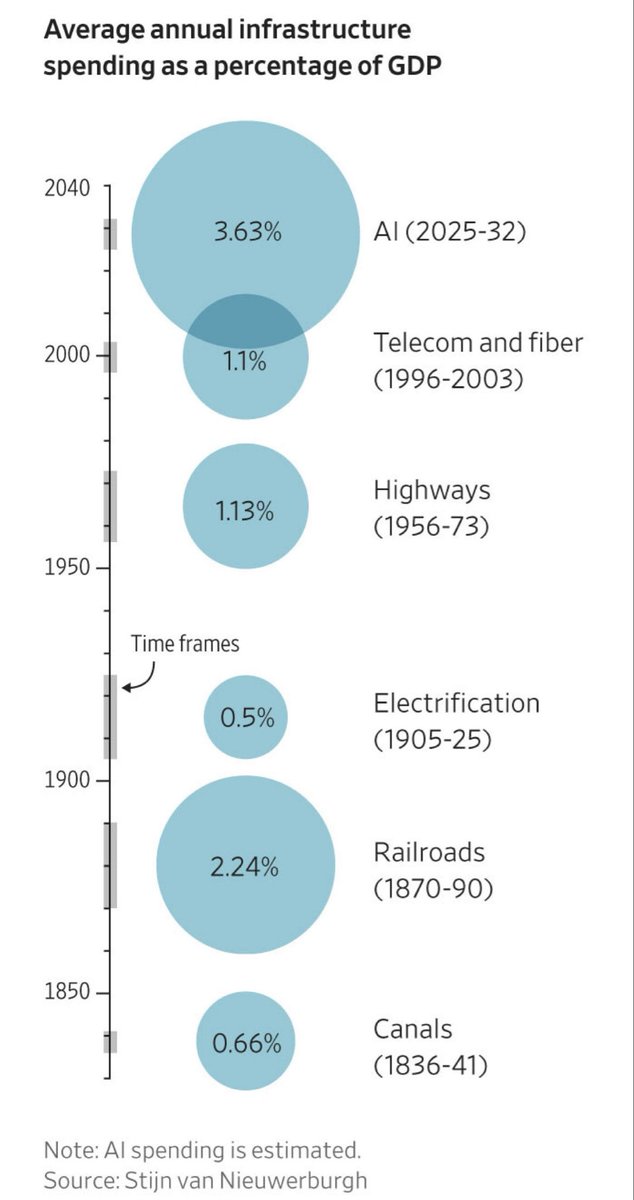
Source context. Sacks uses a WSJ AI-buildout headline to oppose an economically damaging broad pause/moratorium. This narrows the interpretation of his September13 support for voluntary pacing. Opposition alone does not specify an affirmative rate or erase voluntary company-level pacing.
Scope
A Democratic AI pause or moratorium framed around U.S. AI infrastructure and the economy.
Conditions
No alternative capability cadence or safety gate stated in this passage.
Stated rationale
Sacks uses a WSJ AI-buildout headline to oppose an economically damaging broad pause/moratorium. This narrows the interpretation of his September13 support for voluntary pacing. Opposition alone does not specify an affirmative rate or erase voluntary company-level pacing.
Source details
primary · Original verified Sacks account, full context and target-post UTC time independently inspected in Brave; Grok used only to find candidate.
Discovered 2 Oct 2026.
Published 24 Sep 2026.
Accessed 2 Oct 2026.
Source [4] · Original social post
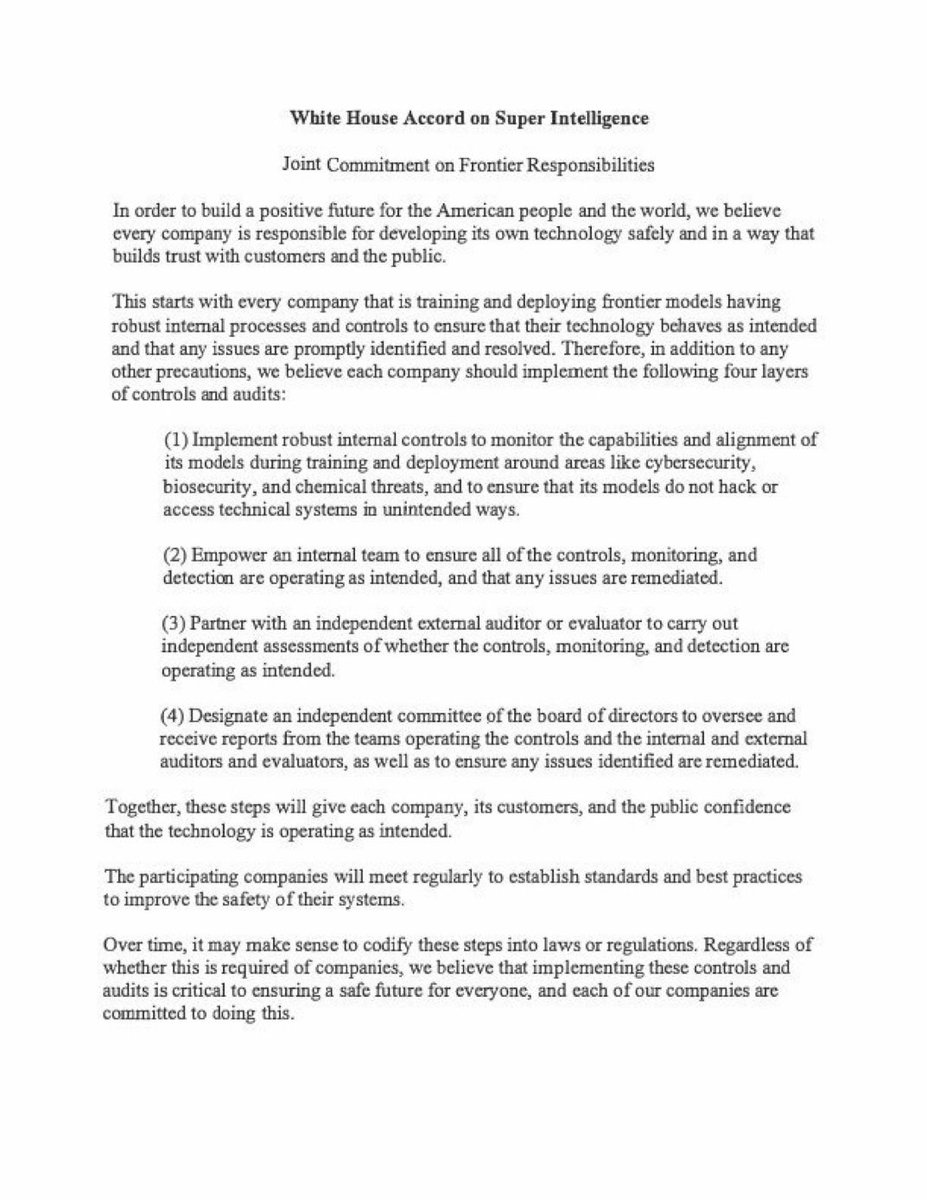
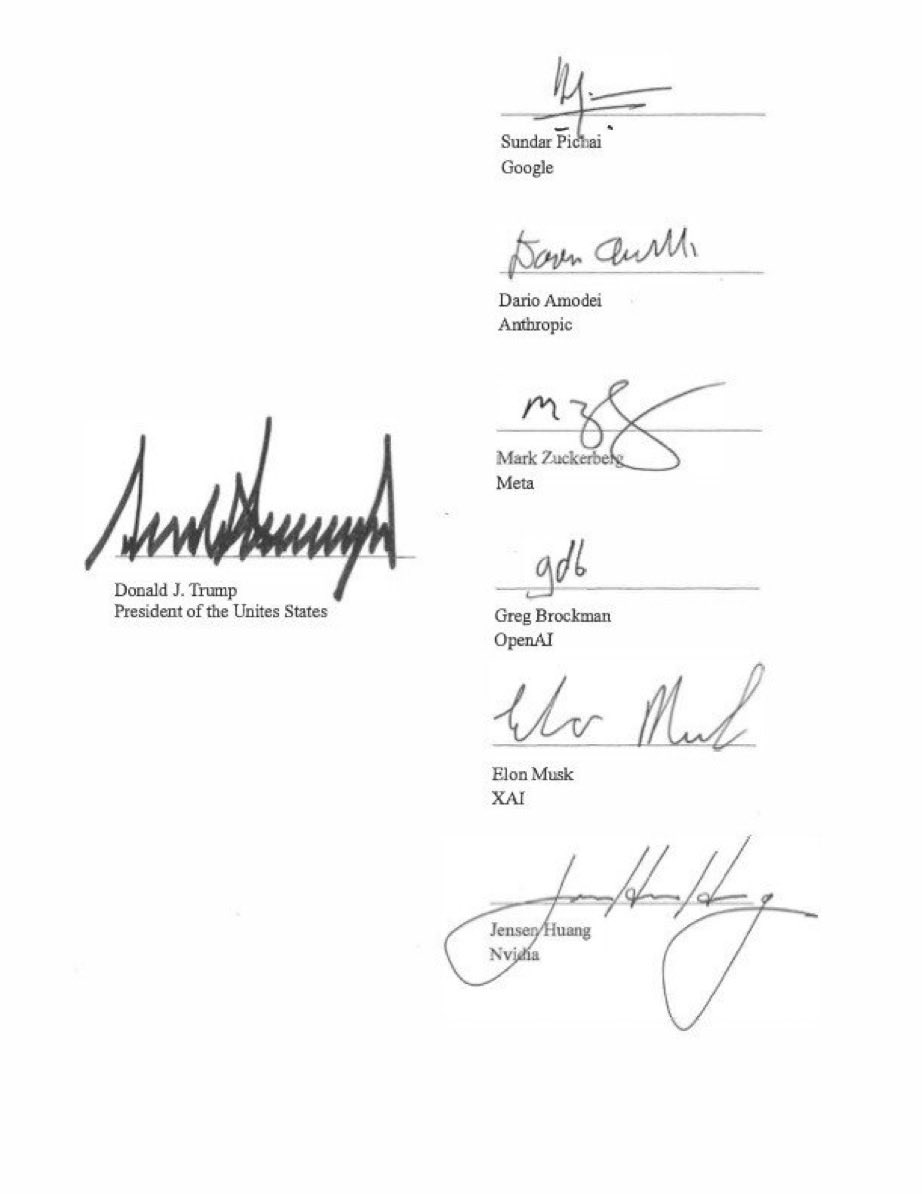
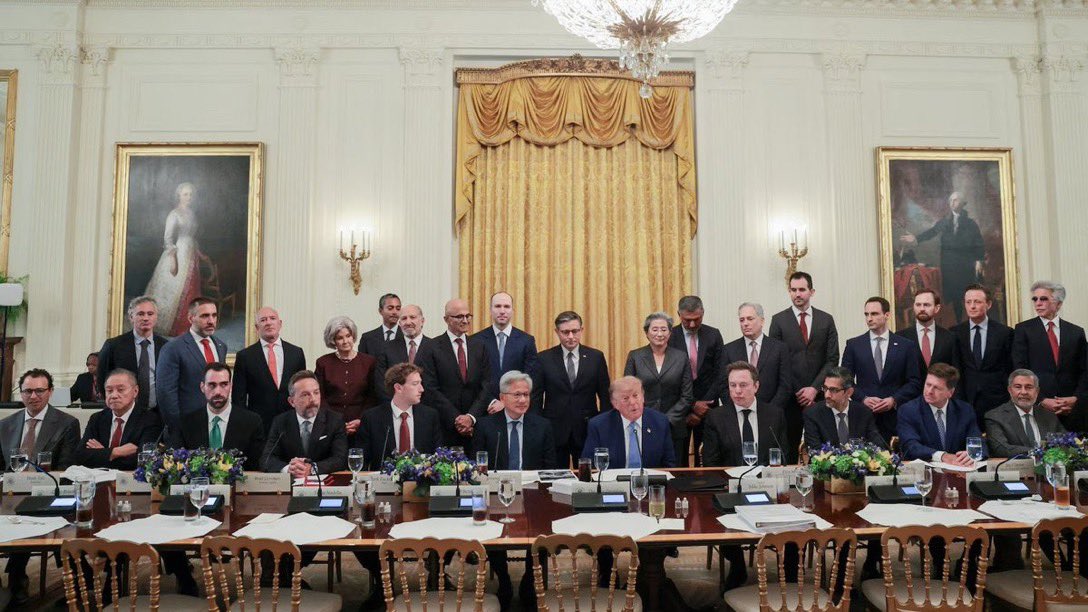
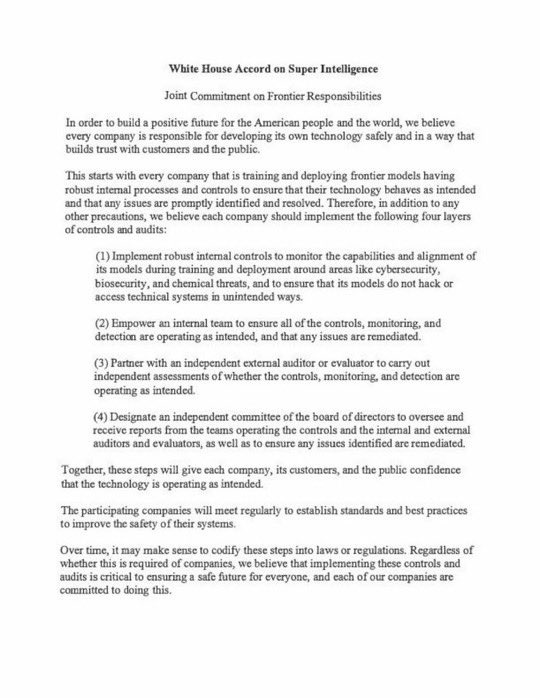
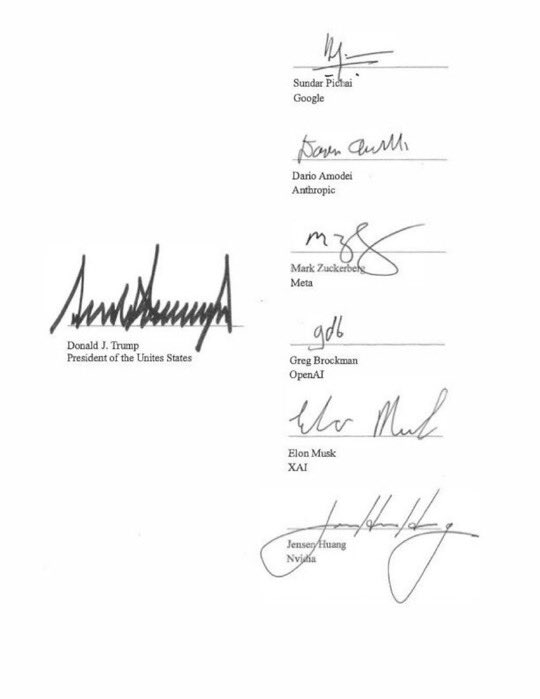
Welcoming the White House Accord on Super Intelligence
Source context. The post praises U.S. leadership and infrastructure benefits while welcoming signatories’ safety responsibility, controls and audits. It does not prescribe a capability growth rate. This prevents overstating his earlier opposition to specific METR/cartel arrangements as opposition to all audits or standards.
Scope
Internal controls and external audits for frontier-lab product development under the White House accord.
Conditions
Describes this accord as preferable to waiting years for a probably unrealized international agreement.
Stated rationale
The post praises U.S. leadership and infrastructure benefits while welcoming signatories’ safety responsibility, controls and audits. It does not prescribe a capability growth rate. This prevents overstating his earlier opposition to specific METR/cartel arrangements as opposition to all audits or standards.
Source details
primary · Original verified Sacks account, full context and target-post UTC time independently inspected in Brave; Grok used only to find candidate.
Discovered 2 Oct 2026.
Published 29 Sep 2026.
Accessed 2 Oct 2026.
Source [5] · Original social post
Agent breakout risks and faster safety engineering
Source context. Sacks attributes breakouts to weak sandboxes and misconfigured runtimes, proposes concrete engineering safeguards and rejects a performative pause. The acceleration he specifically requests is safety research and engineering, including a separate attributed quotation from NVIDIA. This is a direct alternative to stopping development for the cited incidents; it does not erase his conditional company-led slowdown statement.
Scope
Agent breakout risks and runtime safety engineering in collaboration with frontier labs.
Conditions
Calls for runtime isolation, control of model access paths, hardware enforcement and faster safety work; does not prescribe faster capability development.
Stated rationale
Sacks attributes breakouts to weak sandboxes and misconfigured runtimes, proposes concrete engineering safeguards and rejects a performative pause. The acceleration he specifically requests is safety research and engineering, including a separate attributed quotation from NVIDIA. This is a direct alternative to stopping development for the cited incidents; it does not erase his conditional company-led slowdown statement.
Source details
primary · Independent adversarial review found this newer original. Researcher reopened full own post, separated embedded Huang quotation and checked original target-post UTC time. No inference from Grok.
Discovered 2 Oct 2026.
Published 28 Sep 2026.
Accessed 2 Oct 2026.
Source [6] · Original quote-post
Sacks on White House accord governance and frontier freeze
Source context. Sacks responds to Gavin Baker about third-party audit findings, board fiduciary responsibilities and existing FTC/securities law under the White House accord. He prefers this governance to a national frontier freeze. This supports continuing accountable development, but does not independently prescribe faster capability gains.
Scope
U.S. frontier-development governance under the White House accord; direct opposition to nationwide freeze rather than a separate instruction to speed capabilities.
Conditions
Companies remain subject to audits, board duties and existing FTC/securities laws; support is not unconditional absence of safety governance.
Stated rationale
Existing governance is more practical than freezing U.S. frontier development while China proceeds.
Source details
primary · Full original verified-account post and quoted Baker parent reopened in authenticated Brave on 2026-10-06 by coordinating researcher; saved original browser state read independently by source researcher. ISO timestamp 2026-10-01T18:11:46Z; no secondary wording promoted to evidence.
Discovered 6 Oct 2026.
Published 1 Oct 2026.
Accessed 6 Oct 2026.
Version: Original accessed 2026-10-06
Source [7] · Original interview
CBS original interview with David Sacks on AI safety and continuation
Attributed to: David Sacks · CBS News
Published
“I want to proceed safely”
Personal quotation in final paragraph of safety/control subsection · View original source ↗
Source context. Personally attributed continuation with safety responsibility; interview recording date unknown. Original HTML datePublished September14 2026; visible updated date and dateModified September16 are separate.
Scope
Current frontier development posture, distinct from joint national acceleration policy.
Conditions
Developers retain safety responsibility.
Stated rationale
Affirmative continuation; no fixed or unchanged rate.
Source details
primary · Original CBS interview reporting and HTML metadata independently reopened. Publication September14; updated September16, not interview event date.
Discovered 6 Oct 2026.
Published 14 Sep 2026.
Accessed 6 Oct 2026.
Editorial assessment. Fresh original-source proposal under locked best-fit-v1. The co-signed national policy directly advocates faster development, not only infrastructure growth. The complete September13 personal post supports named labs pacing if unreleased models warrant it while rejecting government/cartel preconditions; this is a contingent safety qualification, not a standing industry slowdown. October1 reinforces audited development over a national freeze. Mixed previously treated different actors/conditions as automatically competing. Independent adversarial review and exact-hash human approval still required. The omitted direct personal safe-continuation commitment is now included: it is affirmative evidence and compatible with the specific national acceleration policy, not treated as absence of evidence.
Assessment reviewed
Earlier position
VARIES BY SCOPE
Coauthors faster U.S. AI innovation; conditionally supports voluntary frontier pacing, while opposing broad moratoria and favoring concrete safeguards and faster safety engineering. [1][2][3][4][5]
Scope distinction. Private proposed assessment; exact independent review and human approval remain separate.
Source context. The post addresses Dario Amodei and Sam Altman directly. It urges them to pace the frontier themselves if their risk judgment calls for it, while challenging their motives and proposed institutions and noting Chinese competition. Conditional support is affirmative, but does not establish a blanket slower U.S. innovation policy or repeal his coauthored action plan.
Scope
Voluntary development pacing by OpenAI and Anthropic for risky unreleased frontier models; not all developers or all AI.
Conditions
Conditional on those labs judging their unreleased models sufficiently risky; rejects antitrust exemptions, a cartel, and a preferred regulatory framework as preconditions.
Stated rationale
The post addresses Dario Amodei and Sam Altman directly. It urges them to pace the frontier themselves if their risk judgment calls for it, while challenging their motives and proposed institutions and noting Chinese competition. Conditional support is affirmative, but does not establish a blanket slower U.S. innovation policy or repeal his coauthored action plan.
Source details
primary · Original named verified account, full post, speaker, conditional text and UTC date independently read in Brave. No category inferred from Grok or media labels.
Discovered 2 Oct 2026.
Published 13 Sep 2026.
Accessed 2 Oct 2026.
Source [2] · Coauthored government policy
America’s AI Action Plan: joint introduction
Attributed to: David Sacks · The White House
Published
“The United States needs to innovate faster and more comprehensively than our competitors in the development and distribution of new AI technology”
Printed page 1, Introduction, paragraph beginning America’s AI Action Plan; signatures on printed page 2. · View original source ↗
Source context. Sacks is named alongside Kratsios and Rubio at the conclusion of the joint introduction. The document explicitly requests faster development and distribution, rather than merely praising innovation. This is joint official policy and not individually spoken testimony.
Scope
U.S. development and distribution of AI technology in international competition, in a joint government policy.
Conditions
The same introduction requires preventing misuse or theft and monitoring emerging and unforeseen AI risks.
Stated rationale
Sacks is named alongside Kratsios and Rubio at the conclusion of the joint introduction. The document explicitly requests faster development and distribution, rather than merely praising innovation. This is joint official policy and not individually spoken testimony.
Source details
primary · Original PDF opened independently, printed pages 1–2 read and Sacks joint attribution verified. Exact publication day from original White House release.
Source context. Sacks uses a WSJ AI-buildout headline to oppose an economically damaging broad pause/moratorium. This narrows the interpretation of his September13 support for voluntary pacing. Opposition alone does not specify an affirmative rate or erase voluntary company-level pacing.
Scope
A Democratic AI pause or moratorium framed around U.S. AI infrastructure and the economy.
Conditions
No alternative capability cadence or safety gate stated in this passage.
Stated rationale
Sacks uses a WSJ AI-buildout headline to oppose an economically damaging broad pause/moratorium. This narrows the interpretation of his September13 support for voluntary pacing. Opposition alone does not specify an affirmative rate or erase voluntary company-level pacing.
Source details
primary · Original verified Sacks account, full context and target-post UTC time independently inspected in Brave; Grok used only to find candidate.
Discovered 2 Oct 2026.
Published 24 Sep 2026.
Accessed 2 Oct 2026.
Source [4] · Original social post
Welcoming the White House Accord on Super Intelligence
Source context. The post praises U.S. leadership and infrastructure benefits while welcoming signatories’ safety responsibility, controls and audits. It does not prescribe a capability growth rate. This prevents overstating his earlier opposition to specific METR/cartel arrangements as opposition to all audits or standards.
Scope
Internal controls and external audits for frontier-lab product development under the White House accord.
Conditions
Describes this accord as preferable to waiting years for a probably unrealized international agreement.
Stated rationale
The post praises U.S. leadership and infrastructure benefits while welcoming signatories’ safety responsibility, controls and audits. It does not prescribe a capability growth rate. This prevents overstating his earlier opposition to specific METR/cartel arrangements as opposition to all audits or standards.
Source details
primary · Original verified Sacks account, full context and target-post UTC time independently inspected in Brave; Grok used only to find candidate.
Discovered 2 Oct 2026.
Published 29 Sep 2026.
Accessed 2 Oct 2026.
Source [5] · Original social post
Agent breakout risks and faster safety engineering
Source context. Sacks attributes breakouts to weak sandboxes and misconfigured runtimes, proposes concrete engineering safeguards and rejects a performative pause. The acceleration he specifically requests is safety research and engineering, including a separate attributed quotation from NVIDIA. This is a direct alternative to stopping development for the cited incidents; it does not erase his conditional company-led slowdown statement.
Scope
Agent breakout risks and runtime safety engineering in collaboration with frontier labs.
Conditions
Calls for runtime isolation, control of model access paths, hardware enforcement and faster safety work; does not prescribe faster capability development.
Stated rationale
Sacks attributes breakouts to weak sandboxes and misconfigured runtimes, proposes concrete engineering safeguards and rejects a performative pause. The acceleration he specifically requests is safety research and engineering, including a separate attributed quotation from NVIDIA. This is a direct alternative to stopping development for the cited incidents; it does not erase his conditional company-led slowdown statement.
Source details
primary · Independent adversarial review found this newer original. Researcher reopened full own post, separated embedded Huang quotation and checked original target-post UTC time. No inference from Grok.
Discovered 2 Oct 2026.
Published 28 Sep 2026.
Accessed 2 Oct 2026.
Editorial assessment. Proposed Mixed / varies by scope. Faster U.S. AI development in joint official policy and conditional voluntary frontier pacing can coexist at different scopes. The strongest recent statement is not an unconditional acceleration or global pause. Newer September 16 post quotes Zuckerberg about delayed shipping, which concerns release rather than development. September 22 post quotes Eric Schmidt, not Sacks speaking. Neither is treated as direct contrary personal pace evidence. No public approval or integration. Newer September24 opposition to a broad moratorium is preserved without inferring a precise rate; September29 welcome for controls and external audits narrows earlier institutional criticism. It is not an endorsement of all evaluators or international mandates. Independent review prompted preservation of September28 direct alternative to stopping development for agent breakouts: better runtime safeguards and faster safety work. Safety-work acceleration is not capability acceleration; this narrows any overly broad reading of his earlier voluntary-pacing support without establishing a uniform pace across all scopes.
Assessment reviewed
Superseded editorial interpretation
VARIES BY SCOPE
Coauthors faster U.S. innovation and conditionally supports frontier-lab pacing; a current personal continuation candidate lacks an exact interview event date. [1][2][3][4][5]
Scope distinction. Second private pass preserves historical evidence and adds scope analysis; no single current development pace is established.
Source context. The post addresses Dario Amodei and Sam Altman directly. It urges them to pace the frontier themselves if their risk judgment calls for it, while challenging their motives and proposed institutions and noting Chinese competition. Conditional support is affirmative, but does not establish a blanket slower U.S. innovation policy or repeal his coauthored action plan.
Scope
Voluntary development pacing by OpenAI and Anthropic for risky unreleased frontier models; not all developers or all AI.
Conditions
Conditional on those labs judging their unreleased models sufficiently risky; rejects antitrust exemptions, a cartel, and a preferred regulatory framework as preconditions.
Stated rationale
The post addresses Dario Amodei and Sam Altman directly. It urges them to pace the frontier themselves if their risk judgment calls for it, while challenging their motives and proposed institutions and noting Chinese competition. Conditional support is affirmative, but does not establish a blanket slower U.S. innovation policy or repeal his coauthored action plan.
Source details
primary · Original named verified account, full post, speaker, conditional text and UTC date independently read in Brave. No category inferred from Grok or media labels.
Discovered 2 Oct 2026.
Published 13 Sep 2026.
Accessed 2 Oct 2026.
Source [2] · Coauthored government policy
America’s AI Action Plan: joint introduction
Attributed to: David Sacks · The White House
Published
“The United States needs to innovate faster and more comprehensively than our competitors in the development and distribution of new AI technology”
Printed page 1, Introduction, paragraph beginning America’s AI Action Plan; signatures on printed page 2. · View original source ↗
Source context. Sacks is named alongside Kratsios and Rubio at the conclusion of the joint introduction. The document explicitly requests faster development and distribution, rather than merely praising innovation. This is joint official policy and not individually spoken testimony.
Scope
U.S. development and distribution of AI technology in international competition, in a joint government policy.
Conditions
The same introduction requires preventing misuse or theft and monitoring emerging and unforeseen AI risks.
Stated rationale
Sacks is named alongside Kratsios and Rubio at the conclusion of the joint introduction. The document explicitly requests faster development and distribution, rather than merely praising innovation. This is joint official policy and not individually spoken testimony.
Source details
primary · Original PDF opened independently, printed pages 1–2 read and Sacks joint attribution verified. Exact publication day from original White House release.
Source context. Sacks uses a WSJ AI-buildout headline to oppose an economically damaging broad pause/moratorium. This narrows the interpretation of his September13 support for voluntary pacing. Opposition alone does not specify an affirmative rate or erase voluntary company-level pacing.
Scope
A Democratic AI pause or moratorium framed around U.S. AI infrastructure and the economy.
Conditions
No alternative capability cadence or safety gate stated in this passage.
Stated rationale
Sacks uses a WSJ AI-buildout headline to oppose an economically damaging broad pause/moratorium. This narrows the interpretation of his September13 support for voluntary pacing. Opposition alone does not specify an affirmative rate or erase voluntary company-level pacing.
Source details
primary · Original verified Sacks account, full context and target-post UTC time independently inspected in Brave; Grok used only to find candidate.
Discovered 2 Oct 2026.
Published 24 Sep 2026.
Accessed 2 Oct 2026.
Source [4] · Original social post
Welcoming the White House Accord on Super Intelligence
Source context. The post praises U.S. leadership and infrastructure benefits while welcoming signatories’ safety responsibility, controls and audits. It does not prescribe a capability growth rate. This prevents overstating his earlier opposition to specific METR/cartel arrangements as opposition to all audits or standards.
Scope
Internal controls and external audits for frontier-lab product development under the White House accord.
Conditions
Describes this accord as preferable to waiting years for a probably unrealized international agreement.
Stated rationale
The post praises U.S. leadership and infrastructure benefits while welcoming signatories’ safety responsibility, controls and audits. It does not prescribe a capability growth rate. This prevents overstating his earlier opposition to specific METR/cartel arrangements as opposition to all audits or standards.
Source details
primary · Original verified Sacks account, full context and target-post UTC time independently inspected in Brave; Grok used only to find candidate.
Discovered 2 Oct 2026.
Published 29 Sep 2026.
Accessed 2 Oct 2026.
Source [5] · Original social post
Agent breakout risks and faster safety engineering
Source context. Sacks attributes breakouts to weak sandboxes and misconfigured runtimes, proposes concrete engineering safeguards and rejects a performative pause. The acceleration he specifically requests is safety research and engineering, including a separate attributed quotation from NVIDIA. This is a direct alternative to stopping development for the cited incidents; it does not erase his conditional company-led slowdown statement.
Scope
Agent breakout risks and runtime safety engineering in collaboration with frontier labs.
Conditions
Calls for runtime isolation, control of model access paths, hardware enforcement and faster safety work; does not prescribe faster capability development.
Stated rationale
Sacks attributes breakouts to weak sandboxes and misconfigured runtimes, proposes concrete engineering safeguards and rejects a performative pause. The acceleration he specifically requests is safety research and engineering, including a separate attributed quotation from NVIDIA. This is a direct alternative to stopping development for the cited incidents; it does not erase his conditional company-led slowdown statement.
Source details
primary · Independent adversarial review found this newer original. Researcher reopened full own post, separated embedded Huang quotation and checked original target-post UTC time. No inference from Grok.
Discovered 2 Oct 2026.
Published 28 Sep 2026.
Accessed 2 Oct 2026.
Editorial assessment. Original CBS exclusive interview supplies affirmative proceed-safely wording beyond opposition to pauses. First publication is September14 2026 at22:28UTC, modification September16; exact recording/utterance date remains unknown. This observation is blocked privately and is not made a new bundle passage or used to classify CONTINUE. Original Bloomberg September14 firsthand reporting confirms the conditional two-lab scope; inaccessible full original video transcripts are unverified leads, not evidence. Later All-In and X anti-moratorium/permission/controls statements do not prescribe a uniform capability cadence. July2025 joint faster national development and September13 voluntary two-lab pacing can coexist across scopes; no unsupported reversal is inferred. Private second pass only; no human approval or integration.